post

Shutterstock Coupons: Do They Work on All Subscriptions? Find Out Here

As a frequent user of Shutterstock, I’ve often wondered about the best ways to save money on their subscriptions. One question that comes up time and time again is whether Shutterstock coupons can be applied to all types of subscriptions.

It’s a valid concern for both casual users and professional creatives looking to maximize their budget. With various subscription plans available, from monthly to annual options, understanding how coupons work across these different tiers can make a significant difference in your overall costs. In this article, I’ll dive into the specifics of Shutterstock’s coupon policy and help you navigate the sometimes confusing world of stock image subscriptions and discounts.

Understanding Shutterstock Coupons

As a frequent user of Shutterstock I’ve learned that understanding their coupon system is crucial for maximizing savings. Let’s dive into the types of coupons available and how they apply to different subscriptions.

Types of Coupons Available

Shutterstock offers various types of coupons to cater to different user needs. I’ve encountered several coupon categories during my time using the platform:

  1. Percentage-off coupons: These offer a specific percentage discount on subscriptions.
  2. Fixed-amount coupons: These provide a set dollar amount off the subscription price.
  3. New customer coupons: Special offers for first-time Shutterstock users.
  4. Seasonal promotions: Discounts tied to holidays or special events.
  5. Loyalty coupons: Exclusive offers for long-term or high-volume customers.

Each coupon type serves a specific purpose and can significantly reduce costs when applied correctly.

Applicability to Different Subscriptions

When it comes to applying Shutterstock coupons to different subscriptions I’ve found that not all coupons work universally. Here’s what I’ve learned about their applicability:

  • Image subscriptions: Most coupons are applicable to standard image subscription plans.
  • Video subscriptions: Some coupons are specifically designed for video plans while others may not apply.
  • On-demand packs: Certain coupons work for on-demand purchases but not always for subscriptions.
  • Team subscriptions: Enterprise-level plans may have limited coupon eligibility.
  • Extended licenses: These often have separate coupon offers not applicable to standard licenses.

It’s important to read the terms and conditions of each Shutterstock coupon code carefully. Some coupons may be restricted to specific subscription lengths or new customers only. Additionally while exploring alternatives I’ve noticed that Adobe Stock Photos sometimes offers competitive pricing but their coupon system differs from Shutterstock’s.

Coupon Terms and Conditions

Understanding the terms and conditions of Shutterstock coupons is crucial for maximizing your savings. I’ve found that paying close attention to these details can help you avoid disappointment and make the most of your Shutterstock Coupon Code.

Restrictions and Limitations

When using a Shutterstock Coupon Code it’s important to be aware of any restrictions or limitations that may apply. I’ve noticed that some coupons are only valid for new customers while others can be used by existing subscribers. Additionally certain coupons may only be applicable to specific subscription plans or image packs. For example a coupon might offer a discount on a monthly subscription but not be valid for an annual plan. It’s also worth noting that some coupons have usage limits such as a maximum number of times they can be applied to an account or a minimum purchase amount required to activate the discount.

Expiration Dates

Expiration dates are a critical factor to consider when using Shutterstock coupons. I’ve learned that most coupons have a limited validity period which can range from a few days to several months. It’s essential to check the expiration date before attempting to use a coupon as expired codes won’t be accepted at checkout. Some coupons especially those offered during seasonal promotions or special events may have very short expiration windows. I always make sure to use my coupons well before their expiration date to avoid missing out on potential savings. It’s also worth noting that while Shutterstock regularly offers new coupon codes they don’t typically extend expiration dates on existing ones.

How to Use Shutterstock Coupons

Using Shutterstock coupons effectively can significantly reduce your subscription costs. I’ll guide you through the process of applying these discounts and help you avoid common pitfalls.

Step-by-Step Guide

  1. Find a valid Shutterstock coupon code
  • Check Shutterstock’s official website for current promotions
  • Search reputable coupon websites for additional offers
  • Look for email newsletters that may contain exclusive discounts
  1. Select your desired subscription plan
  • Choose from various options like monthly or annual subscriptions
  • Consider your content needs (images video or music)
  1. Proceed to checkout
  • Add your chosen plan to the cart
  • Click on the checkout button to continue
  1. Apply the Shutterstock coupon code
  • Look for a field labeled “Promo Code” or “Coupon Code”
  • Enter your Shutterstock coupon code exactly as it appears
  • Click “Apply” or a similar button to validate the code
  1. Verify the discount
  • Ensure the discount is reflected in your order summary
  • Check that the final price matches your expectations
  1. Complete your purchase
  • Fill in your payment details
  • Review your order one last time
  • Confirm and finalize your subscription
  1. Invalid coupon code
  • Double-check for typos in the code
  • Ensure the code hasn’t expired
  • Verify that the code applies to your chosen subscription
  1. Coupon not applying to your plan
  • Review the terms and conditions of the coupon
  • Check if the coupon is specific to certain subscription types
  • Consider switching to an eligible plan if possible
  1. Discount lower than expected
  • Confirm the coupon’s discount percentage or amount
  • Check if the discount applies to the first billing cycle only
  • Contact Shutterstock customer support for clarification
  1. New customer offers not working
  • Ensure you’re using a new account without previous purchases
  • Clear your browser cookies or try a different browser
  • Use a different email address if necessary
  1. Technical glitches
  • Try refreshing the page or clearing your cache
  • Use a different browser or device
  • Contact Shutterstock’s technical support for assistance

By following this guide and being aware of potential issues I’ve found that applying Shutterstock coupon codes becomes a straightforward process. Remember that while Adobe Stock Photos offers a different coupon system Shutterstock’s diverse range of coupons can provide substantial savings when used correctly.

Maximizing Savings with Coupons

As a frequent Shutterstock user, I’ve discovered several strategies to maximize savings on subscriptions. By combining coupons with the right subscription plans and following best practices, you can significantly reduce your costs while still accessing high-quality stock images and videos.

Combining Coupons with Subscriptions

When it comes to combining Shutterstock coupon codes with subscriptions, timing and strategy are key. I’ve found that certain coupons work best with specific subscription types, allowing for optimal savings. For instance, percentage-off coupons often yield the highest savings on annual plans, while fixed-amount coupons might be more beneficial for shorter-term subscriptions.

It’s important to note that some Shutterstock coupon codes are designed specifically for new customers, offering substantial discounts on initial subscriptions. However, existing customers shouldn’t feel left out, as Shutterstock occasionally provides loyalty coupons that can be applied to renewal or upgrade plans.

When comparing options, I always consider alternatives like Adobe Stock Photos. While their coupon system differs from Shutterstock’s, they sometimes offer competitive deals that are worth exploring, especially if you’re flexible with your stock image provider.

Best Practices for Coupon Usage

To make the most of Shutterstock coupon codes, I follow these best practices:

  1. Stack discounts when possible: Some promotions allow you to combine multiple offers. For example, you might be able to use a seasonal promotion alongside a loyalty discount.
  2. Watch for limited-time offers: Shutterstock often runs flash sales or holiday promotions. These can offer significant savings but typically have short expiration periods.
  3. Compare long-term vs. short-term plans: Sometimes, using a coupon on a longer subscription can result in greater overall savings, even if the upfront cost is higher.
  4. Read the fine print: Always check the terms and conditions of each coupon. Some may have restrictions on plan types or usage limits.
  5. Subscribe to Shutterstock’s newsletter: This can give you early access to exclusive deals and coupon codes.
  6. Consider your usage needs: Don’t be tempted by a great discount on a plan that exceeds your actual requirements. Choose a subscription that aligns with your usage patterns.

By following these practices, I’ve consistently managed to reduce my Shutterstock subscription costs while maintaining access to the content I need for my projects.

Coupon Availability for Different User Types

Shutterstock offers various coupon options tailored to different user types, ensuring that both new and existing customers can benefit from discounts. I’ve found that understanding these distinctions is crucial for maximizing savings on Shutterstock subscriptions.

New Customer Discounts

As a new customer, I discovered that Shutterstock often provides some of its most attractive discounts to entice first-time subscribers. These offers typically include:

  • Substantial percentage-off discounts on initial subscriptions
  • Free trial periods with access to a limited number of downloads
  • Bundled deals that combine image and video subscriptions at a reduced rate

When I first signed up, I was able to use a Shutterstock coupon code specifically designed for new users, which significantly reduced the cost of my first annual subscription. It’s worth noting that these new customer discounts are usually one-time offers and cannot be combined with other promotions.

Existing Customer Offers

While new customers often get the spotlight, I’ve learned that Shutterstock doesn’t forget about its loyal subscribers. As an existing customer, I’ve had access to:

  • Loyalty coupons sent via email for subscription renewals
  • Seasonal promotions that apply to account upgrades or plan changes
  • Special discounts on additional services like Shutterstock Editor or music tracks

I’ve found that these offers are less publicized than new customer discounts, so it’s essential to keep an eye on your inbox for exclusive Shutterstock coupon codes. Additionally, I’ve noticed that comparing these offers with competitors like Adobe Stock Photos can sometimes lead to better deals, as Shutterstock may match or exceed their promotions to retain customers.

Alternatives to Coupons

While coupons are a popular way to save on Shutterstock subscriptions, there are other alternatives worth exploring. These options can provide significant savings and added value for both new and existing customers.

Subscription Discounts

Shutterstock often offers subscription discounts that don’t require a Shutterstock coupon code. I’ve found these discounts to be particularly appealing for long-term commitments. For instance, annual plans typically come with a built-in discount compared to monthly subscriptions. This approach can lead to substantial savings over time without the need to hunt for coupons.

Another strategy I’ve used is to keep an eye out for seasonal sales or special promotions. Shutterstock occasionally runs limited-time offers that slash prices on subscriptions regardless of whether you have a coupon. These deals can sometimes outperform the savings you’d get from using a standard coupon code.

Loyalty Programs

Shutterstock’s loyalty programs are an excellent alternative to coupons for frequent users like myself. These programs often provide perks that go beyond simple discounts including:

  • Exclusive access to premium content
  • Priority customer support
  • Increased download limits
  • Special pricing on additional services

I’ve found that enrolling in Shutterstock’s loyalty program has given me access to savings and benefits that aren’t available through regular coupons. It’s a great way to maximize value especially if you’re a long-term customer.

It’s worth noting that competitors like Adobe Stock Photos also offer loyalty programs. While I primarily use Shutterstock I’ve compared their offerings and found that Adobe’s program can sometimes provide comparable or even better value depending on your specific needs. It’s always a good idea to explore all options to ensure you’re getting the best deal for your stock image needs.

Pros and Cons of Using Shutterstock Coupons

Pros

  1. Significant Cost Savings
  • I’ve found that using Shutterstock coupon codes can lead to substantial discounts often ranging from 10% to 25% off subscription plans.
  • For large projects or long-term subscriptions these savings can add up quickly.
  1. Access to Premium Content
  • Some coupons unlock access to exclusive collections or additional downloads which I’ve found valuable for diverse projects.
  1. Flexibility in Subscription Options
  • Coupons often allow me to try different subscription tiers or durations without committing to full price.
  1. Seasonal Promotions
  • I’ve noticed Shutterstock offers special coupons during holidays or events providing extra value at specific times.
  1. New Customer Incentives
  • As a new user I benefited from generous welcome offers that made starting with Shutterstock more affordable.
  1. Limited Applicability
  • Not all Shutterstock coupon codes work for every subscription type which can be frustrating when planning purchases.
  1. Short Expiration Periods
  • I’ve missed out on deals because some coupons expire quickly requiring vigilant tracking.
  1. One-Time Use Restrictions
  • Many coupons are limited to single use preventing ongoing savings for regular subscribers.
  1. Complexity in Terms and Conditions
  • Understanding coupon restrictions can be time-consuming and sometimes confusing.
  1. Potential for Overspending
  • Attractive discounts might tempt users to purchase more extensive plans than needed leading to unnecessary expenses.
  1. Limited Availability for Existing Customers
  • I’ve noticed fewer coupon options for long-term subscribers compared to new customer offers.
  1. Comparison Challenges
  • It can be difficult to determine if a Shutterstock coupon offers better value than competitors like Adobe Stock Photos without thorough research.

Conclusion: Are Coupons Worth It?

Shutterstock coupons can offer significant savings but require careful consideration. While they’re not universally applicable to all subscriptions they can still provide great value especially for new customers. I’ve found that understanding the terms and timing your purchases can maximize your savings.

Remember to compare offers with competitors like Adobe Stock Photos and explore alternatives such as loyalty programs. By doing your research and weighing the pros and cons you’ll be able to make an informed decision that best suits your stock image needs and budget.

post

10 Benefits of Using Stock Photo Websites for Your Content [Ultimate Guide]

As a blogger and content creator, I’ve discovered the power of using stock photo websites to elevate my visual content game. These online treasure troves offer a vast array of high-quality images that can transform any article, presentation, or social media post from drab to fab in just a few clicks.

But the benefits of stock photo sites go far beyond mere aesthetics. They’re a time-saving solution for busy professionals, a cost-effective alternative to hiring photographers, and a legal safeguard against copyright infringement. Whether you’re a small business owner, a marketing guru, or a freelance writer, tapping into these resources can give your work a polished, professional edge without breaking the bank or your schedule.

What Are Stock Photo Websites?

Stock photo websites are online platforms that offer a vast collection of high-quality images, illustrations, and videos for purchase and download. These sites serve as digital marketplaces where photographers, artists, and videographers can upload their work, making it available for users to license and use in various projects.

As a content creator, I’ve found stock photo websites to be invaluable resources. They provide access to millions of professional-grade visuals that can enhance blog posts, social media content, marketing materials, and more. Some of the most popular stock photo websites include Adobe Stock Images and Shutterstock.

Adobe Stock Images, for instance, offers a seamless integration with other Adobe Creative Cloud applications, making it easy for designers and marketers to incorporate high-quality visuals into their projects. On the other hand, Shutterstock is known for its extensive library and frequent Shutterstock coupon codes, which can help budget-conscious creators access premium content at discounted rates.

These platforms typically operate on a licensing model, where users can purchase individual images or subscribe to plans that allow for multiple downloads. The licensing agreements ensure that users have the legal right to use the images in their projects, providing protection against copyright infringement issues.

Stock photo websites also often offer advanced search features, allowing users to filter images by color, orientation, subject matter, and more. This makes it easy to find the perfect visual to complement any project, saving time and enhancing the overall quality of the content.

Benefits of Using Stock Photo Websites

Stock photo websites offer numerous advantages for content creators and businesses alike. Here are the key benefits of incorporating these resources into your visual content strategy:

Cost-Effectiveness

Using stock photo websites can significantly reduce your visual content expenses. Instead of hiring professional photographers or purchasing expensive equipment I can access high-quality images at a fraction of the cost. Many stock photo websites offer flexible pricing options including subscription plans and pay-per-image models. For example Adobe Stock Images provides competitive rates for bulk purchases while Shutterstock often offers coupon codes for additional savings.

Time-Saving

Stock photo websites are a time-efficient solution for acquiring visual content. I can quickly search browse and download images without the need for extensive planning or photoshoots. This convenience allows me to focus on other aspects of content creation while still maintaining a visually appealing presentation. The streamlined process of finding and downloading images from stock photo websites can save hours or even days compared to organizing custom photo sessions.

Wide Variety of Choices

One of the most significant advantages of stock photo websites is the vast selection of images available. These platforms host millions of photos covering countless themes subjects and styles. Whether I need lifestyle shots landscapes product images or abstract concepts I can find suitable options to enhance my content. The diversity of choices ensures that I can maintain visual consistency across my projects while avoiding repetition.

Professional Quality Images

Stock photo websites feature work from skilled photographers and artists ensuring access to professional-grade visuals. These high-resolution images are often captured with advanced equipment and edited to perfection. By using stock photos I can elevate the overall quality of my content without investing in expensive camera gear or extensive photo editing software. The professional look of these images can enhance my brand’s credibility and appeal to my audience.

Immediate Availability

When I need images quickly stock photo websites offer instant access to a wealth of visual content. I can search download and use images within minutes which is particularly valuable for time-sensitive projects or last-minute content needs. This immediate availability allows me to respond rapidly to current events or trending topics ensuring my content remains relevant and timely. The convenience of having professional images at my fingertips 24/7 is an invaluable asset for maintaining a consistent content schedule.

Potential Drawbacks to Consider

While stock photo websites offer numerous benefits, it’s important to be aware of potential drawbacks. Here are some key considerations to keep in mind when using these platforms:

Lack of Originality

When using stock photo websites, one of the main concerns is the potential lack of originality. Many businesses and content creators access the same pool of images, which can lead to repetition across various platforms. I’ve noticed that popular images on sites like Adobe Stock Images or Shutterstock can appear frequently in different contexts, potentially diluting the uniqueness of your content. To mitigate this issue, I recommend exploring lesser-known categories or using advanced search filters to find more unique options.

Limited Customization

Another drawback of stock photo websites is the limited ability to customize images to fit your specific needs. While some platforms offer basic editing tools, they often fall short when it comes to creating truly tailored visuals. I’ve found that this can be particularly challenging when trying to maintain a consistent brand aesthetic or when working on highly specialized projects. To overcome this limitation, consider using stock photos as a starting point and then applying additional editing or graphic design elements to make them more unique to your brand.

Licensing Complexities

Navigating the licensing terms on stock photo websites can be complex and time-consuming. Each platform has its own set of rules and restrictions, which can vary depending on the type of license you purchase. I’ve experienced firsthand how confusing it can be to determine whether a particular image can be used for commercial purposes or if it requires additional permissions. To avoid potential legal issues, I always recommend thoroughly reading and understanding the licensing terms before using any stock image. Some platforms, like Shutterstock, offer coupon codes for discounted licenses, which can help offset the cost of more comprehensive licensing options.

When to Use Stock Photos

Stock photos can be a valuable resource for content creators but it’s important to know when they’re most appropriate. Let’s explore the ideal scenarios for using stock images and situations where it’s best to avoid them.

Ideal Scenarios for Stock Images

Stock photo websites offer a wealth of options for various content needs. Here are some situations where using stock images is particularly beneficial:

  1. Blog post illustrations: When I need to quickly add visual appeal to my blog posts stock images from platforms like Adobe Stock Images can be a perfect solution.
  2. Social media content: For maintaining a consistent posting schedule on social platforms stock photos can provide a steady stream of high-quality visuals.
  3. Placeholder images: During website development or design mockups stock photos serve as excellent placeholders until custom imagery is available.
  4. Generic concepts: When illustrating abstract ideas or universal concepts stock images often hit the mark without requiring custom photography.
  5. Supplementary visuals: To complement your original photos stock images can fill gaps in your visual storytelling.
  6. Time-sensitive projects: When deadlines are tight and there’s no time for custom photography stock photos can save the day.
  7. Budget-friendly options: For projects with limited resources using a Shutterstock coupon code can provide access to professional-quality images at a fraction of the cost of custom photography.

Situations to Avoid Stock Photos

While stock photos are versatile there are times when they may not be the best choice:

  1. Brand-specific imagery: When showcasing your unique brand identity or products custom photography is usually a better option than generic stock images.
  2. Personal stories: For blog posts or articles that share personal experiences using stock photos might feel inauthentic.
  3. Local events or specific locations: Stock photos typically won’t capture the essence of local events or specific places making custom photography necessary.
  4. Highly technical or niche subjects: Finding accurate stock images for very specific or technical topics can be challenging making custom visuals more appropriate.
  5. When originality is crucial: For projects where standing out from competitors is vital unique custom imagery may be more effective than widely available stock photos.
  6. Legal or medical content: To avoid potential misrepresentation it’s often better to use custom images for sensitive topics like legal or medical content.
  7. When authenticity is key: For campaigns focused on real people or genuine experiences custom photography can provide a more authentic feel than stock images.

By carefully considering these scenarios I can make informed decisions about when to leverage the convenience of stock photo websites and when to invest in custom imagery for my content.

Tips for Effective Use of Stock Photos

To maximize the benefits of stock photo websites, it’s crucial to use them strategically. Here are some tips to help you make the most of these resources.

Choosing the Right Images

When selecting stock photos, I always prioritize relevance and quality. First, I consider the message I want to convey and search for images that align with my content’s tone and purpose. I use specific keywords on stock photo websites to narrow down my options and find the most suitable images.

I also pay attention to the composition and technical aspects of the photos. High-resolution images that are well-lit and properly focused are essential for maintaining a professional look. Additionally, I look for images with negative space, which allows for text overlay or cropping if needed.

Lastly, I consider the diversity and representation in the images I choose. It’s important to select photos that reflect a wide range of people, cultures, and situations to ensure inclusivity in my content.

Customizing Stock Photos

While stock photos from websites like Adobe Stock Images can be great starting points, customizing them can help create a unique look for your brand. Here are some ways I personalize stock images:

  1. Cropping: I often crop images to focus on specific elements or to better fit my layout requirements.
  2. Color adjustments: I adjust the color balance, saturation, or apply filters to match my brand’s color scheme.
  3. Text overlay: Adding text to stock photos can create engaging graphics for social media or blog headers.
  4. Combining images: I sometimes blend multiple stock photos to create a unique composition that better suits my needs.
  5. Adding graphics: Incorporating simple graphics or icons can transform a stock photo into a more branded image.

When customizing, I’m always mindful of the stock photo website’s licensing terms. Some sites, like Shutterstock, offer coupon codes for their subscription plans, which can be a cost-effective way to access a wide range of customizable images. By applying these customization techniques, I can create visually appealing content that stands out while still benefiting from the convenience of stock photo resources.

Alternatives to Stock Photo Websites

While stock photo websites offer convenience, there are other options for sourcing images that can add uniqueness to your content. Let’s explore some alternatives:

Creating Original Photography

I’ve found that creating your own photography can be a game-changer for your visual content strategy. By taking your own photos, you have complete control over the composition, style, and subject matter. This approach allows you to create images that perfectly align with your brand and message. Here are some tips for creating original photography:

  1. Invest in a good camera or smartphone with high-quality camera capabilities
  2. Learn basic photography skills through online courses or tutorials
  3. Plan your shoots to capture relevant images for your content calendar
  4. Experiment with different lighting and compositions
  5. Edit your photos to enhance their quality and style

Creating original photography not only ensures uniqueness but also helps you develop a consistent visual brand identity across your content.

User-Generated Content

Another excellent alternative to stock photo websites is leveraging user-generated content (UGC). This approach involves using photos and images created by your audience or customers. UGC can be an incredibly powerful tool for several reasons:

  1. Authenticity: UGC provides genuine, real-life representations of your brand or products
  2. Engagement: It encourages audience participation and fosters a sense of community
  3. Cost-effective: UGC is often free or less expensive than stock photos
  4. Diverse perspectives: It offers a variety of viewpoints and styles

To effectively use UGC, consider these strategies:

  1. Create branded hashtags for social media campaigns
  2. Run photo contests or challenges to encourage submissions
  3. Reach out to customers for permission to use their content
  4. Showcase UGC on your website or social media platforms
  5. Always credit the original creators when using their content

By incorporating user-generated content, you can create a more authentic and relatable visual experience for your audience while reducing your reliance on stock photo websites.

Legal Considerations

When using stock photo websites it’s crucial to understand the legal aspects to avoid potential copyright issues. Here are some key legal considerations to keep in mind:

Understanding Licensing Terms

Stock photo websites like Adobe Stock Images and Shutterstock offer various licensing options for their content. It’s essential to carefully read and comprehend these terms before using any image. Typically licenses fall into categories such as standard royalty-free commercial use extended use or editorial use. Each type comes with specific restrictions and permissions. For instance a standard license might allow you to use the image in digital media but not for print materials over a certain number of copies. Always check the specific terms for each image as they can vary even within the same stock photo website.

Copyright and Attribution

Copyright protection is a critical aspect of using stock photos. Most stock photo websites provide copyright-cleared images but it’s still your responsibility to use them correctly. Here are some key points to remember:

  • Always respect the copyright holder’s rights and adhere to the licensing agreement.
  • Some licenses may require attribution to the photographer or the stock photo website. For example you might need to include “Image by [Photographer Name] via [Stock Photo Website]” in your content.
  • Be cautious when using images of recognizable people or private property as they may require additional releases.
  • Avoid using stock photos in logos or trademarks as this is typically prohibited by most licensing agreements.

By understanding these legal considerations you can confidently use stock photos from websites like Adobe Stock Images and Shutterstock while avoiding potential legal pitfalls. Remember that while using a Shutterstock coupon code can save you money it doesn’t exempt you from following the licensing terms. Always prioritize legal compliance when incorporating stock photos into your content.

Conclusion

Stock photo websites offer a valuable resource for content creators seeking high-quality visuals. While they have limitations, the benefits of accessibility, variety, and legal protection make them an attractive option. By understanding the pros and cons, exploring alternatives, and being mindful of legal considerations, you’ll be well-equipped to make informed decisions about using stock photos in your projects. Whether you choose stock images, original photography, or user-generated content, the key is to align your visual choices with your brand and message for maximum impact.

post

How to Download Adobe Stock Images Legally: Removing Watermarks Explained

Adobe Stock offers a vast library of high-quality images for creative professionals, but those pesky watermarks can be a real hindrance. We understand the frustration of finding the perfect image only to have it marred by a watermark. That’s why we’ve put together this guide to help you navigate the process of downloading Adobe Stock images without watermarks.

In this article, we’ll explore several legitimate methods to access clean, watermark-free images from Adobe Stock. We’ll cover everything from licensing options to free trials and insider tips that can save you time and money. By the end, you’ll have a clear understanding of how to obtain the pristine images you need for your projects, all while staying within Adobe’s terms of service.

Understanding Adobe Stock Images and Watermarks

What Are Adobe Stock Images?

Adobe Stock images are high-quality digital assets available for licensing through Adobe’s stock photography service. These images encompass a vast collection of photographs, illustrations, vectors, and videos created by professional contributors worldwide. Creative professionals use Adobe Stock images in various projects, including web design, marketing materials, and print publications.

Why Are Images Watermarked?

Images on Adobe Stock are watermarked to protect the intellectual property of creators and prevent unauthorized use. Watermarks serve as a visible deterrent against copyright infringement and ensure that users properly license images before incorporating them into their work. While watermarks can be inconvenient for users, they play a crucial role in maintaining the integrity of the stock photography industry. For those seeking to how to download adobe stock images without watermark, it’s essential to understand the legal implications and explore legitimate options provided by Adobe.

Legal Methods to Download Unwatermarked Images

Free Trial: Accessing Images Without Watermarks

Adobe Stock offers a 30-day free trial for new users. This trial provides access to 10 high-resolution images without watermarks. Users can download and use these images in their projects without restrictions. After selecting an image, click the “Free trial” button to initiate the download process. Adobe requires credit card information for the trial but does not charge unless the subscription continues beyond the trial period.

On-Demand Purchasing Options

Adobe Stock provides single-image licenses for users with infrequent needs. These licenses grant immediate access to unwatermarked images. Prices vary based on image quality and intended use. Standard licenses cover most common uses, while extended licenses offer broader rights. To purchase, select an image and click “Buy now” or “License image” to complete the transaction.

Subscription Plans for Regular Users

For frequent image users, Adobe Stock offers subscription plans with varying monthly download limits. These plans provide a cost-effective solution for how to download adobe stock images without watermark. Options include annual plans with monthly payments or shorter-term commitments. Subscribers can access and download unwatermarked images up to their plan’s limit. To subscribe, visit the Adobe Stock pricing page and select a suitable plan based on usage needs.

Step-by-Step Guide to Downloading Unwatermarked Images

Creating an Adobe Account

To access unwatermarked Adobe Stock images, create an Adobe account. Visit the Adobe website and click the “Sign Up” button. Enter your email address, create a strong password, and provide the required personal information. Verify your email address to complete the account creation process.

Selecting and Licensing Images

Browse Adobe Stock’s extensive library of images. Use the search bar to find specific content or explore curated collections. Click on an image to view details and licensing options. Choose the appropriate license type based on your intended use. Add the selected image to your cart and proceed to checkout.

Downloading High-Resolution Files

After completing the licensing process, access your purchased images in your Adobe Stock library. Click the download button next to the image to retrieve the high-resolution file. For users seeking alternative methods on how to download adobe stock images without watermark, explore third-party tools that comply with Adobe’s terms of service. These tools offer additional features for managing and downloading licensed Adobe Stock content efficiently.

Exploring Free Alternatives

Free Collections on Adobe Stock

Adobe Stock offers a selection of free images, videos, and templates. These collections provide high-quality assets without watermarks or licensing fees. To access these free resources:

  1. Visit the Adobe Stock website
  2. Navigate to the “Free” section
  3. Browse through categories like photos, vectors, and illustrations
  4. Download desired assets by clicking the “Free Download” button
  5. Sign in with your Adobe account or create one if necessary

Free collections on Adobe Stock update regularly, offering fresh content for various creative projects.

Using Adobe Express for Design Needs

Adobe Express, formerly Adobe Spark, provides a user-friendly platform for creating graphics, videos, and web pages. This tool offers an alternative to how to download adobe stock images without watermark:

  1. Access Adobe Express through your Adobe Creative Cloud account
  2. Choose from thousands of free templates and design elements
  3. Customize designs with intuitive drag-and-drop tools
  4. Utilize the built-in image search feature for royalty-free photos
  5. Export finished designs in various formats

Adobe Express includes a library of free stock images, eliminating the need for separate downloads. The platform’s integrated design capabilities streamline the creation process for social media posts, presentations, and marketing materials.

Tips for Maximizing Your Adobe Stock Experience

Understanding Licensing Terms

Adobe Stock offers various licensing options to suit different needs. Standard licenses allow for use in most digital and print projects with limitations on print runs and digital impressions. Extended licenses provide broader usage rights, including unlimited print runs and digital impressions. We recommend reviewing the specific terms for each license type to ensure compliance with Adobe’s policies and to maximize the value of your purchased assets.

Managing Downloads and Credits

Efficiently managing your downloads and credits is crucial for optimizing your Adobe Stock experience. Keep track of your credit balance and usage to avoid unexpected depletion. For users seeking to how to download adobe stock images without watermark, consider exploring Adobe Stock’s free collections or utilizing Adobe Express for access to royalty-free assets. Organize your downloaded assets systematically, using folders or asset management software to streamline your workflow and prevent redundant purchases.

Common Issues and Troubleshooting

Payment Problems

Payment issues can disrupt the Adobe Stock image licensing process. Common payment problems include declined credit cards, expired payment methods, or insufficient funds. To resolve these issues:

  1. Verify payment information accuracy
  2. Update expired credit card details
  3. Ensure sufficient funds in the linked account
  4. Contact bank to authorize Adobe transactions
  5. Try an alternative payment method if available

If problems persist, reach out to Adobe customer support for assistance with payment-related concerns.

Download Errors

Download errors may occur when attempting to access Adobe Stock images. If you encounter issues with how to download adobe stock images without watermark, try these troubleshooting steps:

  1. Check internet connection stability
  2. Clear browser cache and cookies
  3. Disable browser extensions temporarily
  4. Use a different browser or device
  5. Verify Adobe account login status
  6. Ensure image license is active and valid
  7. Restart Adobe desktop applications if applicable

For persistent download issues, contact Adobe support or consult their official documentation for advanced troubleshooting techniques.

Legal Considerations and Warnings

Consequences of Unauthorized Use

Unauthorized use of Adobe Stock images carries severe legal and financial repercussions. Copyright infringement penalties include hefty fines ranging from $750 to $30,000 per work. Willful infringement increases fines up to $150,000 per work. Legal action by Adobe or image creators results in lawsuits demanding damages and immediate content removal. Businesses face reputational damage and loss of consumer trust. Individual creators risk account termination and blacklisting from Adobe services.

Respecting Copyright Laws

Respect for copyright laws is paramount when using Adobe Stock images. Proper licensing ensures legal compliance and supports content creators. We recommend exploring legitimate methods for how to download adobe stock images without watermark to avoid copyright issues. Adobe Stock offers various licensing options tailored to different usage needs. Standard licenses cover most commercial uses while extended licenses provide broader rights. Always review license terms before using images to ensure compliance with usage restrictions. Attribute images to creators when required by the license agreement. Keep accurate records of image licenses and usage to demonstrate compliance if questioned.

Conclusion

We’ve explored various ways to access Adobe Stock images without watermarks, emphasizing the importance of legal and ethical practices. By following Adobe’s guidelines and licensing procedures we can enjoy high-quality visuals while respecting creators’ rights. Remember that free alternatives and tools like Adobe Express offer valuable options for many projects. Always prioritize proper licensing understand usage rights and maintain accurate records. With these strategies we can confidently use Adobe Stock images in our work while avoiding potential legal pitfalls.

post

Licensing Images for Commercial Use at Adobe Stock

Licensing images for commercial use is different with every stock photo website. Some agencies sell extended licenses on demand, while other allow you to purchase them with credits. Many extended license images are available in packs, too. However they are sold, they all do the same thing – extend the usage rights you get with the standard license. But at Adobe Stock, they do things quite differently.

First, here are a few things you need to know about the stock photo website:

  • They have one of the largest stock photo libraries in the market.
  • Their website is available in 20 languages and to most countries.
  • They sell images on demand and through subscription plans.
  • Their website is integrated with Adobe software platform.

In addition to these four basic information about Adobe Stock (AS), you might want to know that it is a fairly new stock photo website. Despite their novelty to the stock photo industry, they have already garnered a lot of respect and trust among creative professionals and businesses.

Acquiring Fotolia, an already known stock photo source, made Adobe Stock an even more attractive place to purchase stock photos for commercial use. They even added handpicked images from artists around the world to expand their collection of premium stock photos. With over 60 million inspiring images, you will surely find the perfect photo to enhance your creative project.

How much are stock photos for commercial use Adobe Stock?
Adobe Stock now offers Extended License with their images for commercial use. It is available to purchase for all images, including photos, vectors and illustrations, at $79.99 each. It gives you the rights that the standard license does, plus bonus rights to extend your print runs to over 500,000 copies. It also allows you to use the images on products for resale, such as postcards, t-shirts, posters and calendars.

Here are other rights included when you buy images for commercial use with an extended license:

  • Unlimited sharing rights
  • Unlimited duration
  • Unlimited geographical location of use
  • Unlimited website illustration
  • Unlimited social media posts
  • Unlimited printed and electronic documents
  • Unlimited video, TV and cinema use
  • Unlimited use on software and applications
  • Unlimited use on templates and derivative products intended for resale
  • Unlimited print on demand services
  • Up to $10,000 legal protection per image

How do you license images for commercial use?
Simply select “standard” or “extended” license from the drop down menu. The designated license will then sync to your Creative Cloud libraries, ready for work on your favorite CC desktop applications. That’s right! Licensing images for commercial purposes has never been easier if you are a CC user. You can easily find images within the app and preview them inside your designs. When you are ready, you can license, access and manage them directly within because AS is deeply integrated with Adobe apps.

If you are Creative Cloud user, Adobe Stock is the best place to purchase photos for commercial use. It offers premium images at one of the most affordable prices. Plus, it is integrated with your favorite CC software – letting you work on your creative projects more seamlessly.

post

Standard or All File Types Icon Pack: Which Should Get?

With IconTail’s icon packs, you will never be without high quality and legally safe vector icons. There are over 2050 professionally made icons in the collection. All of which are available for download when you purchase one of the two icon packs available. The vector icons are created by Pixel Perfect, so you can be sure that you are getting only premium icons for all your devices and websites.

IconTail offers two types of icon pack – Standard and All File Types. The real question is, which of the two should you get to complete your creative projects? Let’s take a look at their features:

Standard Icon Pack

  • File Type: AI, EPS
  • Number of Icons: 2050 line and filled icons
  • License: Friendly
  • Price: $69

The Standard icon pack is perfect if you only need to use the vector icons in two formats. It is light on the pocket and allows you to use the icons in multiple projects. The Friendly License lets you lose your downloads in both commercial and personal purposes.

All File Types Icon Pack

  • File Type: AI, EPS, SVG, PSD, CSH, PNG, SKETCH and FONTS (EOT, TTF, WOFF, OTF)
  • Number of Icons: 2050 line and filled icons
  • License: Friendly
  • Price: $99

Add $30 more and you get to download vector icons in 11 file formats. You also get to enjoy the benefits of the Standard icon pack – the same number of downloads and license.

All icon packs are great to have. You just have to determine your creative needs and budget to decide which one you should get. If you don’t think your choice is enough, there’s a 30 say money back guarantee.

Don’t believe us? You can visit the website anonymously. IconTail only asks for your information when your purchase a product or register on the website.


post

Benefits of Accessing Corbis Stock Footage at Getty

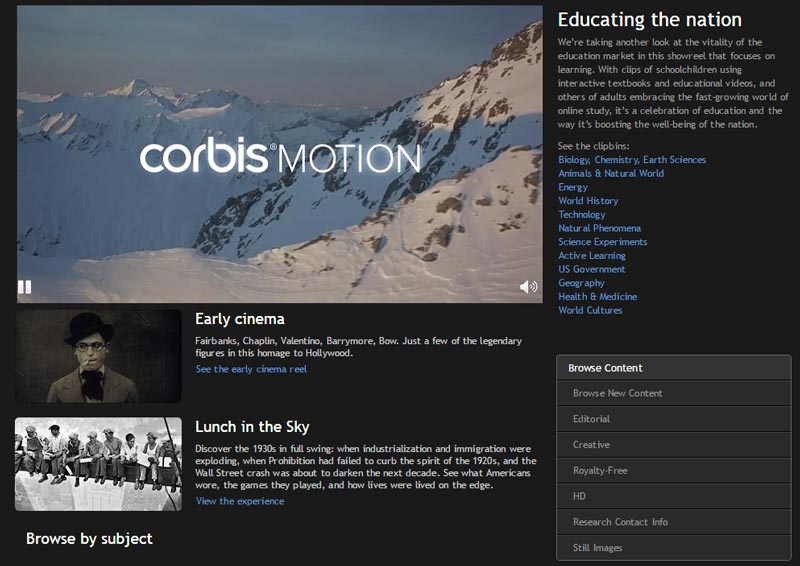
Corbis and Getty Images are two of the most popular stock media agencies in the market for years. They both have a global reach. When the news broke that the former is shutting down, surely many creative professionals were saddened. However, there is actually nothing to be sad about. Corbis Motion, Corbis Images and Veer are just moving on to a new home, read more here. And, you should be happy to know that it is with Getty Images. Now Corbis and Getty customers have a more comprehensive and diverse collection to explore.

corbis-motion

What does this deal mean to existing Getty Images customers? If you have an existing Getty Images account, this could mean a lot for you.

  • You will have a more complete collection to explore. You will benefit from the unified and expanded service as well as the standardized terms and simplified experience of accessing two media libraries in one site. You no longer have to browse through two websites to look for perfect stock footage for your project. You can easily and quickly access Corbis stock footage and Getty Images stock footage from one location.
  • You will have unprecedented offering. Because of this merge, you now have over 200 million content to explore. Premium content from Corbis and Getty Images have been combined for your ease and convenience. Whatever it is you are looking for – stills, editorial, videos, archival, contemporary or creative – you will find it all.
  • You have the highest quality content in one place. Combining Getty Images renown Hulton archive with the Sygma and Bettmann archives is one of the best things that happened in the stock media industry. You can now access the largest privately held archives in the world with images dating back to the beginning of photography and one of the most significant historical collections from the 19th and 20th All in all, you have over 90 million of archival content to explore.
  • Corbis content at Getty pricing. Since Corbis stock footages are now on GI, you can now purchase them via Ultrapacks as well. From royalty-free to truly prestige content, they are all available at pricing for every budget level. Thanks to the merge, you can enjoy simple licensing and built-in savings with Corbis.

Let us talk a little more about this merge. It is actually VCG (Visual China Group) that will own and manage names and trademarks related to Corbis Motion, Corbis Images and Veer. They will be responsible for licensing Corbis stock footage and images in China and around the world. But, what has Getty Images had to do with this? For your information, VCG has been distributing Getty content in China for over a decade – exclusively. This partnership will further strengthen the long term relationship between the two.